
3 hr
Mile End Neighborhood Food Walking Tour
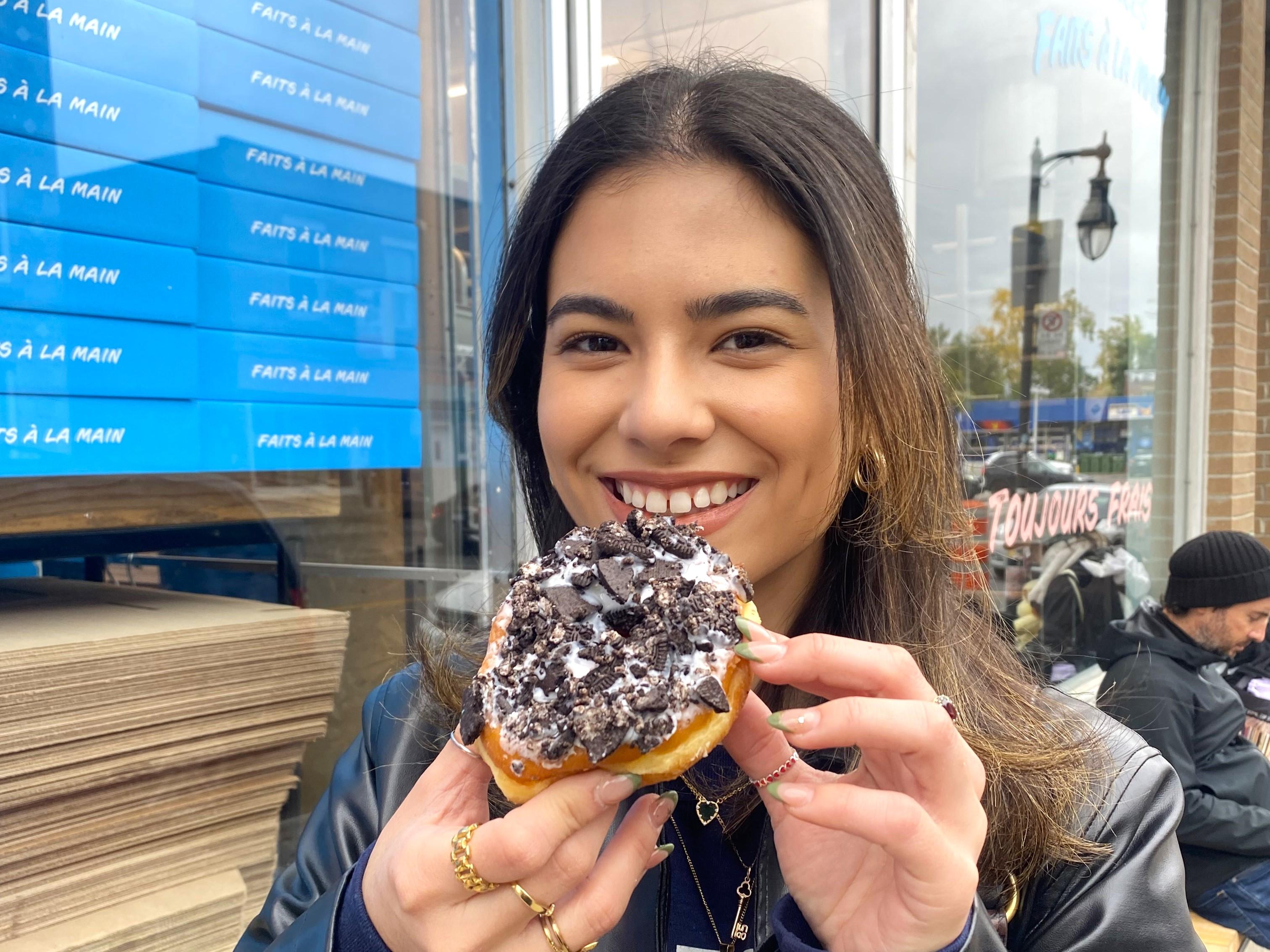
Savor Montreal's culinary treasures on a 3-hour guided tasting adventure through Mile End's streets
Reserve
Hand-picked by our editors — only the best 5 food experiences from 18 reviewed.
Verified partners for every tour, free cancellation where available, and instant confirmation on every booking.
3 hr
Savor Montreal's culinary treasures on a 3-hour guided tasting adventure through Mile End's streets
Reserve
3 hr
Explore Montreal's most creative neighborhood through iconic eats, from wood-fired bagels to street gnocchi
Reserve
3 hr
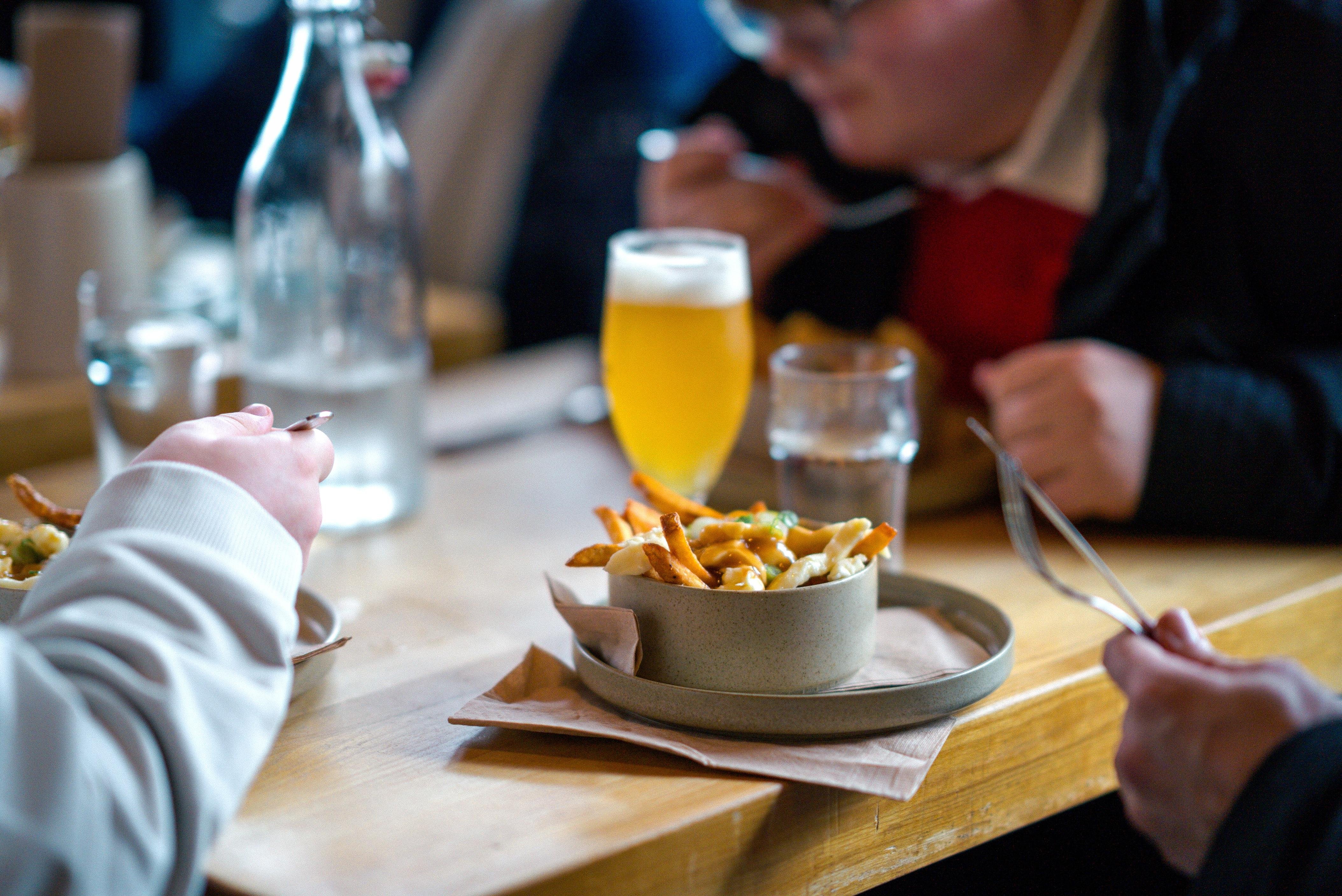
Savor poutine, artisan cheese, bagels and hidden Greek flavors while exploring historic cobblestone streets
ReservePrices from verified partners. Availability updates in real time at checkout. Free cancellation policies apply where shown.
The landmarks, rooms, and views travelers on this tour remember — all visible on a single visit.
One of the largest public markets in North America, this site features over 150 local vendors. It serves as a focal point for many a montreal culinary tour excursion.
This historic district contains cobblestone streets and architecture dating back to the 17th century. It is a common destination for any montreal culinary tour.
Known for its diversity, this thoroughfare hosts iconic spots for smoked meat and bagels. It is a vital artery for any montreal culinary tour route.
This neighborhood offers authentic pasta and espresso bars, providing a distinct cultural segment for a montreal culinary tour.
Characterized by colorful staircases, this area is home to unique bakeries visited during a montreal culinary tour.
They complement each other; most visitors who do both call the organized montreal culinary tour the more informative option for deep cultural context. Exploring on your own remains a popular local-language form of neighborhood discovery for those prioritizing autonomy.
| Feature | Top pick Guided Tour | Self-Guided Exploration |
|---|---|---|
Structure |
Pre-planned itinerary | Independent roaming |
Local Insight |
Expert narrator provided | Dependent on personal research |
Flexibility |
Fixed departure times | Completely visitor-driven |
Pacing |
Group-determined speed | Individual tempo |
Logistics Management |
Handled by operator | Managed by visitor |
Interaction with Merchants |
Facilitated by guide | Direct but informal |
Cost |
0 CAD base fee | 0 CAD base fee |
| See tickets → |
Verdict: Securing montreal culinary tour tickets provides a curated narrative through Mile End, whereas the self-guided montreal culinary tour tour allows travelers to linger at specific landmarks at their own convenience.
Choose your ticket, select your date, and reserve in under two minutes. Secure checkout handled by our verified partner.
Instant confirmation by email, with a mobile voucher you can save offline. No printing, no queuing at a collection desk.
Arrive at the entrance, show your voucher on your phone, and walk in. Most tickets include priority or skip-the-line access.
Practical details for your visit straight from our verified partners — hours, access, rules, and how to get there.
Montreal, QC
Central hub for many downtown departures
Use the STM metro system to reach central hubs like Berri-UQAM or Peel station.
Available throughout downtown and the Old Port for convenient drop-offs.
Casual and comfortable clothing is recommended. Wear supportive walking shoes as each montreal culinary tour involves significant foot travel.
Keep belongings minimal, as storage is not provided. Large backpacks may be restricted at smaller artisanal food boutiques.
Photography is generally permitted in public spaces during a montreal culinary tour. Always ask permission before capturing photos of staff or private food preparation areas.
Accessibility varies significantly between historic sites and modern eateries. Confirm specific mobility requirements with your tour operator prior to booking.
Mobile phones should be kept on silent during guided presentations. Use them to capture photos of local landmarks during the montreal culinary tour.
Many Montreal gastronomy excursions are suitable for families, though some involve walking distances that may challenge small children. Check specific age restrictions for each montreal culinary tour.
Tastings are included in the price of most Montreal food walking tours. Inform your guide of any severe allergies or dietary restrictions at least 48 hours in advance.
Pets are generally not permitted on group food tours due to health regulations at partner venues. Service animals must be cleared with the operator in advance.
Tipping your local guide is standard practice in Montreal. Arrive at the meeting point 10 minutes before the scheduled start time.
Best time to go, insider tips, nearby landmarks, and the cancellation fine print — flip through to skim what matters to you.
How crowds, weather, and events shift across the year.
September and October offer mild temperatures and vibrant fall foliage, making it a prime season for a montreal culinary tour. You can enjoy outdoor terrace dining before the winter chill sets in.
Small details that turn a good visit into a great one.
Bring a refillable water bottle to stay hydrated during your walk. Many public spaces offer fountain access.
Non-bookable sights within a short walk — free to visit, easy to pair.
A historic site featuring intricate wood carvings and blue ceilings.
A riverside area perfect for strolling after your Montreal gastronomic tour.
A vibrant public square filled with street performers and outdoor dining.
A historic district known for its diverse Asian culinary scene.
Flexible, no hidden fees.
Full refunds are typically available if requested within the operator's specified window, usually 24 to 48 hours prior to the event. The entrance fee is 0 CAD as these are third-party services.
Hand-picked options within walking distance — pick a district for vibe, or a specific hotel for convenience.
Montreal's status as a UNESCO City of Gastronomy reflects three centuries of culinary cross-pollination between French settlers, Jewish immigrants, and Quebecois innovators. The city's bagel tradition arrived in 1919 when Isadore Shlafman opened the first wood-fired bakery on St. Laurent Boulevard, establishing a hand-rolled method distinct from New York's steamed approach. By the 1950s, Mile End had become the epicenter of Jewish deli culture, with Schwartz's Hebrew Delicatessen perfecting its smoked-meat recipe using a dry-rub cure and natural hardwood smoke that draws visitors from across the continent. Today's food landscape layers these historical foundations with modern Quebec terroir consciousness. The province's strict culinary regulations protect traditional methods — authentic poutine requires Quebec cheese curds with their signature squeak, while tourtière meat pies follow generations-old spice ratios. Old Montreal's cobblestone streets now host chef-driven bistros that reinterpret classical French techniques using local ingredients: Charlevoix lamb, Gaspésie seafood, maple products from the Laurentian forests. Montreal culinary tour experiences guide visitors through this evolution, connecting century-old bakeries with contemporary tasting rooms. Mile End remains the city's most concentrated food district, where bagel bakeries operate twenty-four hours and specialty grocers stock Romanian sausages alongside organic Quebec cheeses. The neighborhood's immigrant history manifests in its food architecture — narrow storefronts originally designed for Depression-era pushcart vendors now house third-generation family businesses. A three-block radius contains hand-pulled bagels from Fairmount and St-Viateur, smoked meat cut to order, and Portuguese custard tarts baked in brick ovens. This density allows comprehensive tasting itineraries within walkable distances, ideal for guided food tours that prioritize quality over geographic sprawl. The Jewish Quarter's culinary legacy extends beyond delis into pastry traditions and European preservation techniques. Walking tours surface hidden specialists: Polish pickle makers who ferment in oak barrels, Hungarian bakers who laminate their own phyllo, Russian tea rooms serving twenty varieties loose-leaf. These establishments operate with minimal signage, passed down through family networks rather than commercial expansion. Food-focused walks decode this landscape, granting access to purveyors who rarely advertise but maintain devoted local followings built over decades of consistent craftsmanship.
"The city's bagel tradition arrived in 1919 when Isadore Shlafman opened the first wood-fired bakery on St. Laurent Boulevard, establishing a hand-rolled method distinct from New York's steamed approach."
A step-by-step walkthrough of the visit — what you'll see, how long each stage takes, and the details that matter.
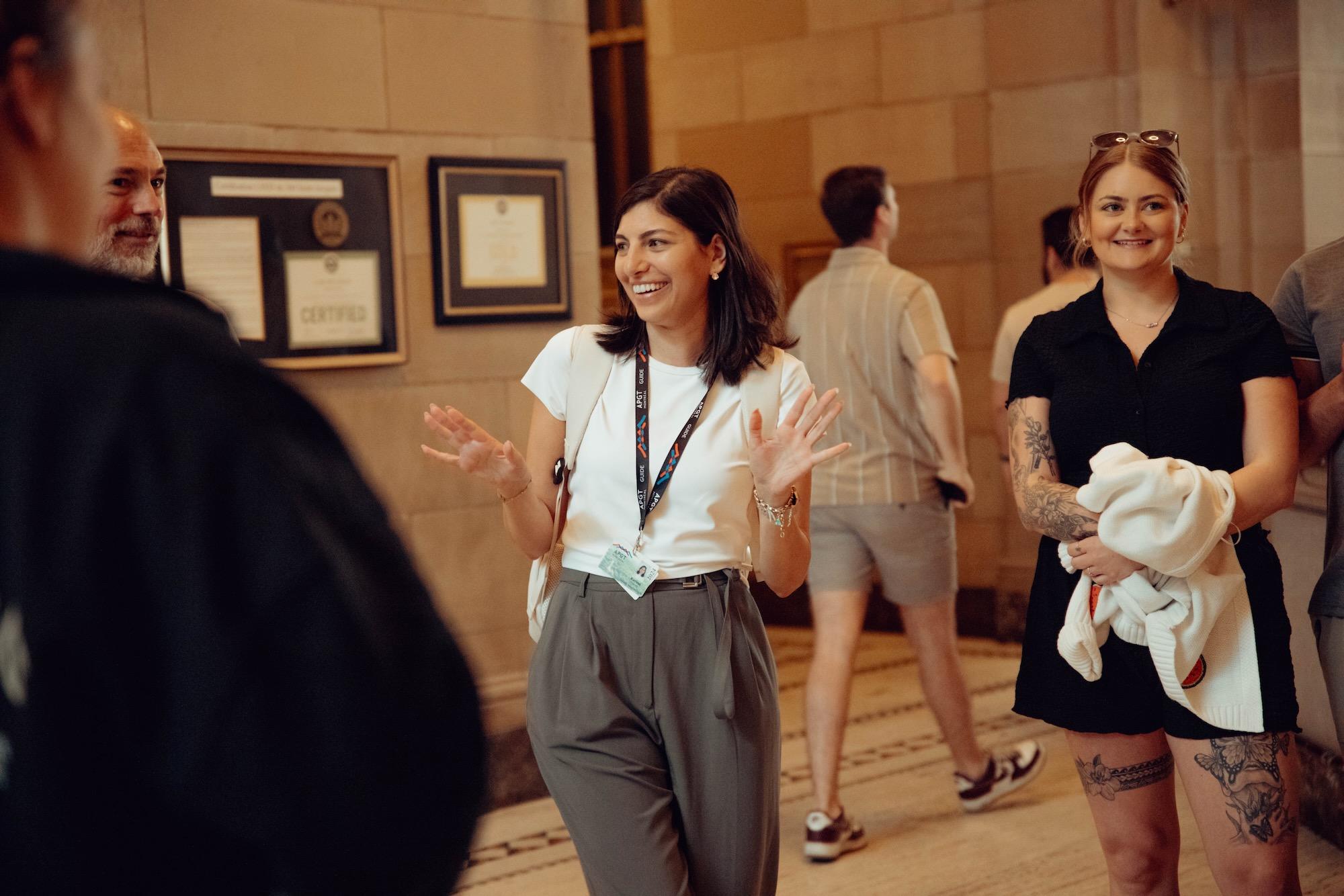
You meet your guide mid-morning in Mile End, where residential streets retain their 1920s commercial character. The first stop places a warm sesame bagel in your hand within minutes — wood-fired, hand-rolled, pulled from the oven while you watch the baker work the traditional rotating hearth. Your guide explains the sixty-second difference between Fairmount and St-Viateur styles as you taste both, noting the honey-water glaze that distinguishes Montreal's approach from New York's. Two blocks south, you enter Schwartz's through a lineup that never fully dissipates, even on weekday mornings. Your pre-arranged tasting bypasses the queue: medium-fat smoked meat, sliced thick, served on rye with yellow mustard and a half-sour pickle. The guide details the ten-day curing process and the spice blend that's remained unchanged since 1928. You compare it to a second deli's interpretation, noting variations in smoke depth and fat cap. The route continues to a Portuguese bakery for custard tarts, then a fromagerie where you sample five Quebec cheeses while learning appellation rules. Your final stop layers these elements together: fresh cheese curds over hand-cut fries, covered in rich brown gravy. You eat standing at a counter, the curds squeaking audibly with each bite, understanding why this dish resists export — the curd's texture degrades within hours of production, tethering authentic poutine to its Quebec origins.
The attraction operates via third-party services and does not follow a standard public schedule; always check your specific booking for times. The entrance fee is 0 CAD. The best arrival window is 10:00–14:00. Accessibility varies by venue; consult the operator for specific needs. It is best to enjoy the tastings provided by the local vendors. Full refunds are typically provided if cancelled within the operator window. Tipping is considered standard for excellent service in Montreal. Most tours allow children, though age requirements vary. Yes, the central location allows for easy access to various Montreal landmarks.
Please contact us for more information.